





What Is an Offshore Company?
An offshore company in the UAE is a legally registered corporate entity designed to
operate outside the UAE market, while benefiting from the country’s robust regulatory
framework and global reputation. Offshore companies are commonly used for asset
protection, international business, investment holding, and tax-efficient structuring.
Unlike mainland or free zone companies, offshore entities are not permitted to conduct
commercial activities within the UAE, but they offer exceptional flexibility for cross
border operations and wealth management.
Offshore companies in the UAE are governed by internationally recognized authorities
and are often used by entrepreneurs, investors, and multinational groups seeking
confidentiality, stability, and efficiency.
Benefits of an Offshore Company in the UAE
Setting up an offshore company offers a wide range of strategic and financial
advantages:
Asset Protection
Safeguard personal and corporate assets through a legally separate entity.
Tax Efficiency
UAE offshore companies are commonly used for international tax planning, subject to global compliance standards.
100% Foreign Ownership
No local sponsor or UAE national partner is required.
Confidentiality
High levels of privacy for shareholders and directors.
Global Business Access
Ideal for international trading, holding overseas contracts, and managing global investments.
Property Ownership
Ability to own real estate in approved UAE zones (subject to authority regulations).
Corporate Structuring
Hold shares in mainland, free zone, or foreign companies.
Banking Access
Eligible to open corporate bank accounts with UAE and international banks (subject to compliance).

JAFZA Offshore (Dubai)
 The most established and internationally recognized offshore structure. Issued by Jebel Ali Free Zone Authority Strong reputation with global banks Eligible for Dubai property ownership Preferred for high-value investments and holding structures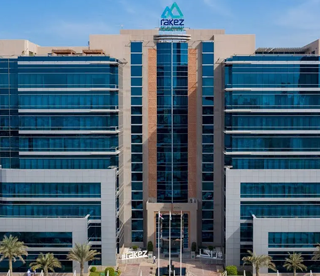
RAK ICC Offshore (Ras Al Khaimah)
A cost-effective and flexible offshore option. Modern corporate legislation Suitable for holding and investment companies Property ownership permitted in approved developments Popular for international structuring
Ajman Offshore
A limited-use offshore option. Restricted banking acceptance Less commonly used today Generally, not recommended for complex structures For most clients, JAFZA Offshore or RAK ICC Offshore provide the strongest legal standing and banking acceptancePermitted Activities for Offshore Companies
Offshore companies are not activity-licensed like mainland or free zone entities, but are
typically used for:
Investment and wealth management International trading (outside the UAE) Intellectual property ownership Consultancy services outside the UAE Shipping and maritime asset ownership Shareholding in UAE or foreign companiesOffshore companies are eligible to open UAE corporate bank accounts, subject to strict compliance requirements:
Enhanced KYC and due diligence Proof of source of funds Business profile and activity explanation Physical presence may be required by banksWhy Choose Intlecs for Offshore Company Setup?
At Intlecs, we specialize in delivering seamless offshore company formation solutions
tailored to international clients.
Expert Advisory
We assess your business objectives and recommend the most suitable offshore jurisdiction.
End-to-End Support
From company incorporation to banking assistance and compliance guidance.
Trusted Network
Strong relationships with UAE authorities, banks, and legal partners.
Transparent Pricing
No hidden fees — clear, professional, and compliant structures.
Global Perspective
Ideal for entrepreneurs, investors, family offices, and multinational corporations.
With Intlecs, you gain more than a company — you gain a strategic offshore structure built for long-term success.
Is an Offshore Company
Right for You?
An offshore company is ideal if you are looking to:
Hold assets or investments securely
Manage international business operations
Protect wealth and intellectual property
Structure global shareholding arrangements
Optimize tax planning within legal frameworks
Start Your Offshore Company with Confidence
Contact Intlecs today to receive a personalized consultation and discover how an offshore company in the UAE can support your global business goals.


